
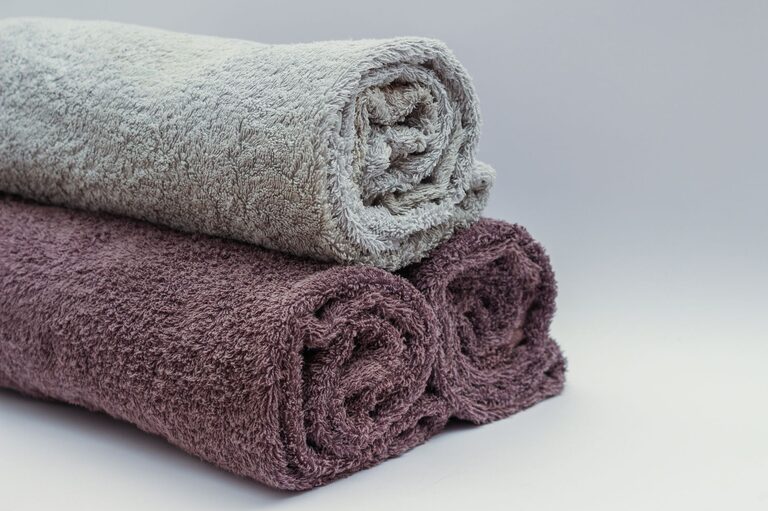
Towels are a daily essential in every home, used for drying, comfort, and even decoration. However, over time, towels can become stiff, rough, or develop unpleasant odors. Keeping towels fresh and fluffy not only improves their appearance but also enhances your comfort and hygiene. Below are practical tips and tricks to maintain the softness, freshness, and fluffiness of your towels.
Why Towels Lose Their Freshness and Fluffiness
Before diving into the solutions, it’s helpful to understand why towels can lose their softness and smell fresh:
– Residue Build-up: Detergents, fabric softeners, and minerals from hard water can build up on towel fibers.
– Over-Drying: Excessive heat can weaken towel fibers, making them stiff.
– Improper Washing: Using too much detergent or washing towels with heavy items can reduce their fluffiness.
– Lack of Proper Drying: Damp towels harbor bacteria and mildew, causing odors.
By addressing these problems, you can maximize the lifespan and comfort of your towels.
Washing Towels Properly
1. Separate Towels from Other Laundry
Wash towels separately from clothing or heavier items like jeans. This prevents fibers from getting damaged and ensures a thorough clean.
2. Use the Right Amount of Detergent
Using too much detergent can leave residue that stiffens towels. Follow the detergent manufacturer’s guidelines and scale back if your towels feel sticky or rough after washing.
3. Avoid Fabric Softeners
While fabric softeners might seem like a good choice, they actually coat towel fibers, reducing absorbency and causing buildup. Instead, use natural alternatives like white vinegar (see the next section).
4. Wash Towels in Warm Water
Warm water effectively removes oils and dirt without damaging fibers. Check the care label to confirm the recommended temperature.
Keeping Towels Soft and Fluffy
1. Add White Vinegar During the Rinse Cycle
White vinegar is a natural fabric softener and deodorizer. Add half to one cup of white vinegar to the rinse cycle to dissolve detergent residue and restore softness.
2. Use Baking Soda Occasionally
Adding half a cup of baking soda along with detergent can help neutralize odors and freshen towels. This should be done occasionally rather than with every wash.
3. Don't Overload Your Washer
Overloading prevents proper rinsing and agitation, so towels may not be clean or soft. Leave some space for towels to move freely.
4. Shake Towels Before Drying
Give each towel a good shake before putting it in the dryer or hanging it to dry. This loosens fibers and helps maintain fluffiness.
Proper Drying Techniques
1. Tumble Dry on Low to Medium Heat
High heat can damage fibers and reduce fluffiness. Dry towels on low to medium heat and remove them promptly once dry.
2. Use Dryer Balls or Clean Tennis Balls
Adding wool dryer balls or clean tennis balls in the dryer helps separate towels, improving air circulation and fluffiness.
3. Avoid Over-Drying
Over-dried towels become stiff and uncomfortable. It’s better to slightly under-dry and let towels air dry for a few minutes.
4. Line Dry with Care
If you air dry towels, hang them in a well-ventilated area on a flat surface or spread them on a line to avoid stiffness. Once dry, give them a quick shake.
Routine Maintenance for Fresh Towels
1. Wash Towels Regularly
Use towels for about three to four days before washing to prevent bacteria and odor buildup.
2. Store Towels in a Dry, Ventilated Area
To avoid musty smells, store towels in a clean, dry, and well-ventilated linen closet or shelf.
3. Address Mildew Smells Immediately
If a towel smells musty, rewash it using hot water with white vinegar or baking soda to eliminate odors.
4. Replace Towels When Needed
Despite care, old towels lose their softness and absorbency. Consider replacing towels every couple of years for best results.
Additional Tips and Tricks
– Ironing Towels: Avoid ironing towels as it crushes the fibers and reduces softness.
– Avoid Bleach: Frequent use of bleach can weaken fibers and cause yellowing.
– Use Soft Water: If you have hard water, installing a water softener can improve towel texture and cleanability.
– Choose Quality Towels: Invest in towels made of high-quality cotton like Egyptian or Turkish cotton for better softness and durability.
Conclusion
Keeping your towels fresh and fluffy is easy with the right washing, drying, and storage habits. Avoiding harsh products, using natural softening agents like vinegar, drying properly, and routine maintenance can extend the life and comfort of your towels. Enjoy the feeling of soft, cozy towels every day by incorporating these practical tips into your laundry routine.