
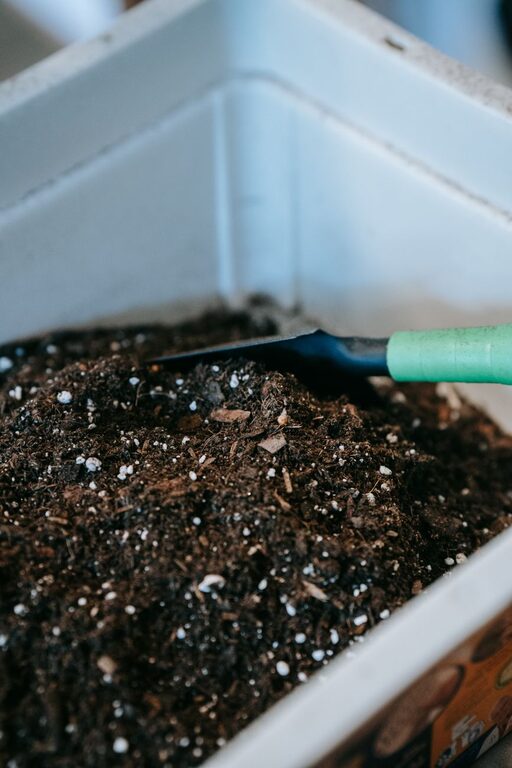
Composting at home is a fantastic way to reduce waste, enrich your garden soil, and contribute to a healthier environment. If you’re just starting out, it might seem a bit overwhelming, but with a few simple tips, you can create your own compost pile or bin and watch it transform everyday scraps into valuable plant food. This guide will walk you through the basics of home composting, helping you get started with confidence.
What Is Composting and Why Should You Try It?
Composting is the natural process of recycling organic matter—such as food scraps and yard waste—into a rich soil amendment that gardeners affectionately call “black gold.” This nutrient-packed material improves soil quality, encourages healthy plant growth, and reduces the need for chemical fertilizers.
Beyond gardening benefits, composting helps reduce landfill waste, lowers greenhouse gas emissions, and supports sustainable living. It’s a rewarding activity that turns everyday waste into something valuable.
Getting Started: What You’ll Need
You don’t need fancy equipment to compost. Here’s what you’ll need to begin:
– Compost bin or pile: You can buy a compost bin or simply designate a spot in your yard. For small spaces or balconies, consider a compost tumbler or worm bin.
– Organic materials: Kitchen scraps like vegetable peels and coffee grounds, plus yard waste like leaves and grass clippings.
– Water: Moisture is essential to keep the composting process active.
– Air: Turning your compost occasionally adds oxygen, helping microbes break down the material.
Choosing a Composting Method
There are various methods, but these are the most beginner-friendly:
1. Traditional Compost Pile
Choose a shady spot in your yard and start piling your organic waste. Layer green materials (nitrogen-rich) and brown materials (carbon-rich) for best results.
2. Compost Bin
A bin helps contain materials and keeps critters away. You can buy one or make your own from wood pallets or wire mesh.
3. Vermicomposting (Worm Composting)
This indoor method uses red worms to digest kitchen scraps, producing nutrient-rich worm castings. It’s perfect for small spaces and apartment dwellers.
What to Compost: Green vs. Brown Materials
Successful composting depends on balancing green and brown materials:
– Green materials (Nitrogen-rich):
– Fruit and vegetable scraps
– Coffee grounds and tea bags
– Fresh grass clippings
– Plant trimmings
– Brown materials (Carbon-rich):
– Dry leaves
– Straw or hay
– Shredded newspaper and cardboard
– Wood chips and sawdust (untreated)
Avoid adding meat, dairy, oily foods, or pet waste, as these can attract pests or cause odors.
Step-by-Step Composting Process
- **Start with a base layer of brown materials:** This helps with drainage.
- **Add layers of greens and browns:** Aim for roughly a 2:1 or 3:1 ratio of browns to greens by volume.
- **Moisten the pile:** It should feel like a damp sponge, not soaking wet.
- **Turn the pile:** Use a pitchfork or shovel every 1-2 weeks to aerate and speed decomposition.
- **Monitor the temperature:** A properly managed pile gets warm, which helps break down materials and kills weed seeds.
- **Wait and harvest:** Compost can take 2-6 months. When it’s dark, crumbly, and smells earthy, it’s ready to use.
Troubleshooting Common Composting Issues
– Bad odors: Usually from too much green material or excess moisture. Add more browns and turn the pile to add air.
– Pile not heating up: Add more greens and make sure the pile is moist but not soggy.
– Pests: Avoid meat and oily foods. Use a covered bin if necessary.
– Slow decomposition: Chop materials into smaller pieces and turn the pile regularly.
Using Your Finished Compost
Once your compost is ready, you can:
– Mix it into garden beds to improve soil texture and fertility.
– Use it as mulch around plants to retain moisture.
– Add it to pots and containers for houseplants or patio gardens.
– Sprinkle it on your lawn for healthy grass growth.
Additional Tips for Success
– Keep a small kitchen compost bin with a lid for easy collection.
– Chop or shred larger materials for faster breakdown.
– Be patient—it takes time, but the process is worth it.
– Learn from local resources or gardening groups about regional composting tips.
Conclusion
Composting at home is a simple, rewarding way to reduce waste and nurture your garden. By following these beginner tips, you’ll soon be turning everyday scraps into a valuable resource that supports healthy plants and a cleaner environment. Happy composting!