
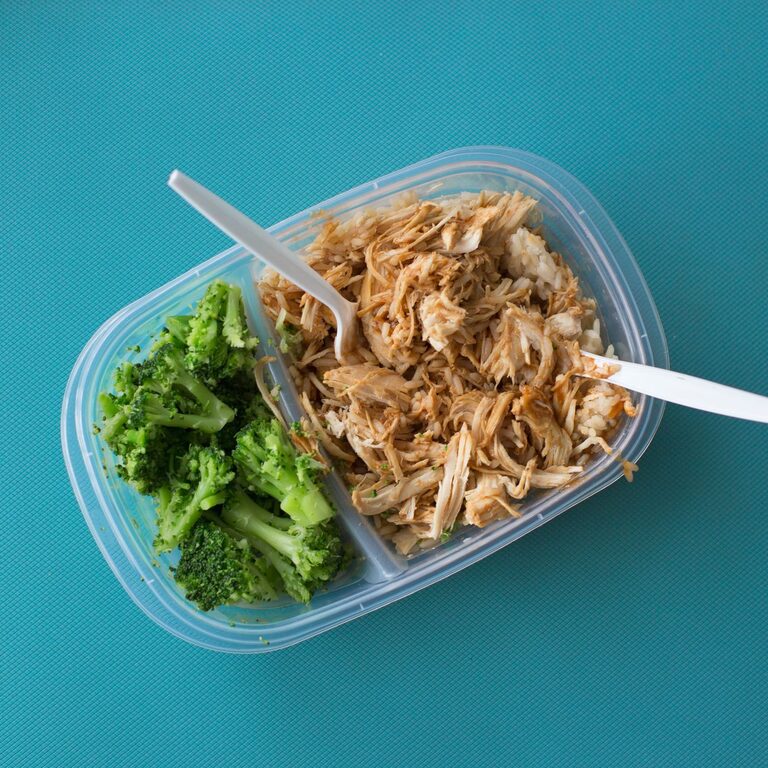
Bringing the family together for dinner can be a highlight of the day, but the cleanup afterward often feels like a chore. Fortunately, making dinner cleanup easier is possible with some thoughtful planning and simple strategies. Whether you’re cooking a homemade meal or just reheating leftovers, these ideas can help you spend less time scrubbing and more time relaxing.
1. Prepare Your Workspace Before Cooking
One of the best ways to reduce the mess after dinner is to set yourself up for success from the start.
– Clear and wipe counters: Begin with a clean surface, so you’re not constantly moving clutter.
– Gather ingredients and tools: Having everything at hand prevents multiple trips and spills.
– Line baking sheets with parchment or foil: This saves scrubbing and keeps trays clean.
– Use mixing bowls with lids: This allows you to cover leftovers or mix in stages without dirtying extra dishes.
By preparing your kitchen well, you’ll find that fewer surfaces get dirty during cooking.
2. Cook with Easy-Clean or One-Pot Recipes
Choosing dishes that require minimal cookware saves a lot of cleanup time.
– One-pot meals: Soups, stews, casseroles, and stir-fries cooked in a single pot or pan reduce the number of items to wash.
– Sheet pan dinners: When everything cooks on one baking sheet, cleanup is faster.
– Slow cooker recipes: Most slow cooker liners can be discarded after use, meaning only one pot to clean.
Try to select meals that combine efficiency with flavor and nutrition.
3. Practice “Clean As You Go” Habits
Cleaning while you cook prevents messes from piling up.
– Wash cutting boards and knives immediately after use: This keeps your sink clear.
– Wipe spills and splatters right away: Prevents dried-on stains that require scrubbing.
– Put away unused ingredients and tools promptly: Clutter-free counters help you stay organized.
– Rinse dishes and load the dishwasher during downtime: This lessens the post-dinner pile.
Making cleanup a continuous task rather than a final one can make a big difference.
4. Use Practical Tools to Speed Cleanup
Certain kitchen tools and gadgets simplify washing and drying.
– Silicone baking mats: These are reusable, non-stick, and easy to wash.
– Dishwasher-safe utensils and pots: Ensure most items go directly into the dishwasher.
– Sink caddies and drying racks: Keep sponges and cloths handy and your counters dry.
– Scraper tools and brushes: Help remove stuck food easily without heavy scrubbing.
Having the right tools ready means you don’t have to spend extra time cleaning stubborn messes.
5. Create a Post-Dinner Cleanup Routine
A consistent cleanup routine makes the process smoother for everyone involved.
– Clear the table immediately: Put dishes in the sink or dishwasher.
– Soak pots and pans: Fill them with hot water and a bit of detergent right away to loosen food.
– Delegate tasks: If you share your home, involve family members or roommates.
– Wipe down cooking areas: Clean stove tops, counters, and tables after dishes are done.
By making cleanup a group effort and a regular habit, it feels less like a chore.
6. Minimize Excess Waste and Dishware
Using fewer dishes and managing waste can speed up cleanup.
– Serve family-style: Place food on the table in larger dishes so everyone can serve themselves, reducing the number of plates used.
– Use reusable napkins instead of paper towels: Less trash and easier to clean.
– Compost food scraps: Keeps your trash bin from overflowing and simplifies disposal.
– Plan portion sizes: Avoid excessive leftovers that require extra containers.
Less stuff to wash and throw away equals less cleanup stress.
7. Organize the Kitchen for Efficiency
An organized kitchen allows you to clean up faster after dinner.
– Keep cleaning supplies accessible: Store dish soap, sponges, and towels near the sink.
– Label storage containers: Makes it easier to put leftovers away quickly.
– Arrange cookware logically: Store frequently used pots and pans within easy reach.
– Maintain a clean dishwasher: Run it regularly and keep it ready for dishes.
A tidy kitchen promotes a smooth workflow from cooking to cleaning.
Final Thoughts
Dinner cleanup doesn’t have to be overwhelming. With a little preparation, choosing the right recipes, cleaning progressively, and having an organized space, you can cut down on time and effort spent after meals. Try incorporating some of these ideas into your routine, and you might even start enjoying the cleanup process as part of your cooking experience.
Remember, a little shift in habits can turn a frustrating task into a manageable, even pleasant, part of your evening. Happy cooking — and cleaning!